Planning a Kenya safari in Cantonese starts with the same questions every traveler asks: when to go, what it costs, where to stay, and whether you will understand your guide. This Masai Mara safari guide for Cantonese speakers treats those questions as decisions, not marketing points. It is built around a practical seven day Kenya plan with three nights in the Mara, and it tells you exactly how to verify Cantonese language support before you pay a deposit. For the fuller regional picture, see our Masai Mara guide.
What makes this Masai Mara safari guide for Cantonese speakers different?
This guide focuses on decisions that affect your comfort and safety: confirmed language support, realistic budgets, seasonal trade offs, camp location, and wildlife behavior. It is short enough to read before you contact an operator and specific enough to save you from a disappointing deposit.
| Day | Location | Focus |
|---|---|---|
| 1 | Nairobi | Arrival and overnight |
| 2 | Masai Mara | Fly or drive, afternoon game drive |
| 3 | Masai Mara | Full day of game drives |
| 4 | Masai Mara | Morning game drive, transfer out |
| 5 | Amboseli or Samburu | Afternoon game drive in a different habitat |
| 6 | Amboseli or Samburu | Full day with elephants or dry country wildlife |
| 7 | Nairobi | Return, connect to international flight |
Are Cantonese-speaking safari guides available in the Masai Mara?
Yes, but native Cantonese-speaking guides are uncommon. Request one before booking, and obtain written confirmation of the named guide, fluency level, backup arrangement, and surcharge. A Mandarin-speaking guide should not automatically be treated as Cantonese-speaking. An English-speaking driver-guide with remote interpretation can be a practical fallback for private groups.
A Cantonese-speaking safari guide in Kenya is a rare but growing niche, so treat verbal promises with caution. Before you pay a deposit, ask for the guide’s name in writing and ask what happens if that guide becomes unavailable. Also confirm whether the language support is included in the quote or comes as an extra fee.
How many nights should Cantonese-speaking travelers spend in the Masai Mara?
Plan three nights in the Masai Mara for a first visit, which usually provides two full game drive days plus arrival and departure drives. Travelers flying from Asia should allow seven to nine nights for Kenya overall, with one Nairobi night and two or three nights in another habitat such as Amboseli or Samburu.
Three nights gives you two full days on the reserve and reduces the chance that a late flight or transfer eats into safari time. The table above is one route. You can swap Amboseli for Samburu, or add Lake Nakuru, depending on your interests. For more route options and season by season advice, see our Masai Mara guide.
When is the best time for a Masai Mara safari?
Choose July to October for the strongest chance of wildebeest movement and river crossing activity, but expect higher rates and more vehicles, especially in August. January to March is often a better balance for predator viewing, clearer conditions, and fewer crowds. The Mara supports good wildlife viewing outside both periods, so budget and priorities should decide.
If you want strong game viewing without peak season crowd pressure, January to March is the season many repeat visitors choose. See our best time to visit Masai Mara page for a month by month breakdown before you fix your dates.
How much does a Masai Mara safari cost for Cantonese speakers?
A private mid range Kenya safari commonly costs about USD 300 to 600 per person per night before international flights. A Cantonese tour leader or specialist guide may add roughly USD 50 to 150 per day. Mara entry fees are approximately USD 100 per adult daily from January to June and USD 200 from July to December, subject to confirmation when booking.
Those are indicative ranges, not fixed quotes. Your final price depends on camp level, season, vehicle type, guide language, and transfers. For a broader breakdown, see our Kenya safari cost page.
Masai Mara National Reserve or a private conservancy?
Choose the National Reserve for broad access and classic migration viewing, accepting more vehicles during peak months. Choose a conservancy such as Naboisho or Mara North for lower vehicle density, walking or night safari options where permitted, and a quieter camp experience. Conservancy fees are commonly bundled into accommodation and can raise the nightly price.
The National Reserve is the classic choice when you want the widest range of habitats and the main migration routes. Naboisho Conservancy and Mara North Conservancy sit outside the reserve boundary, so they usually have fewer cars and allow walking safaris where local rules permit. If vehicle pressure bothers you, a conservancy is worth the extra cost.
What wildlife can you see in the Masai Mara?
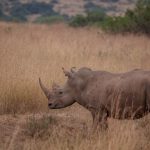
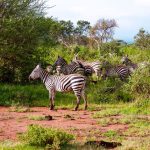
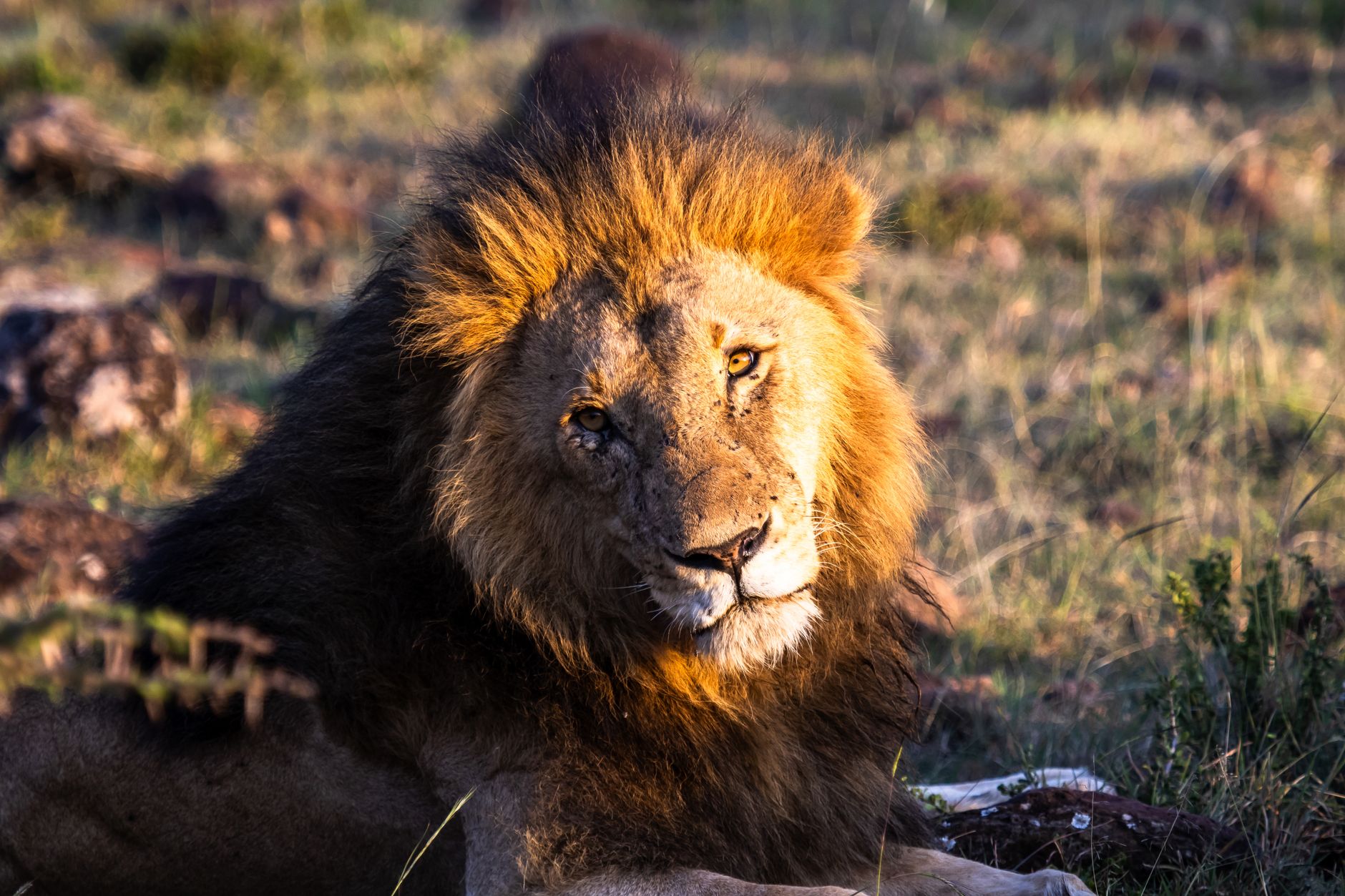
The Masai Mara is especially strong for lions, cheetahs, leopards, elephants, buffalo, giraffes, zebras, and wildebeest. Predators are often easiest to watch in the early morning or late afternoon, while migration timing changes herd distribution rather than guaranteeing a river crossing. A skilled guide should explain behavior without pressuring animals or blocking other vehicles.
Lion prides are easiest to find in the morning, often resting under shrubs or near a kill. Cheetahs prefer open plains and hunt by sight, so a patient guide can help you watch a full sprint. Elephants move between riverine forest and open grassland, often in family groups. Wildebeest distribution shifts with rainfall, which means a river crossing is memorable but never guaranteed.
How should Cantonese-speaking travelers book and prepare?
Tell the operator that Cantonese is required at the first inquiry. Then confirm the guide, language fluency, KPSGA qualification, backup plan, park fees, vehicle type, airstrip transfers, and cancellation terms in writing. Carry a translation app for lodge and medical conversations, and ask whether the quoted language supplement applies per group or per traveler.
Keep that written confirmation with you, and save your operator’s emergency contact details before you fly. A translation app helps with lodge staff and doctors, but it is not a replacement for a confirmed guide.
What will your first morning in the Mara actually feel like?
Picture the mist lifting off the grass, a distant call you cannot yet identify, and a guide who can answer your questions in Cantonese without you reaching for an app. That moment is what separates a smooth trip from a stressful one, and it is built weeks earlier through written confirmations, not verbal promises. Once your season, camp type, and language support are locked in, the rest of the planning gets easier. Explore itineraries and start a conversation about your dates at touringinsights.com.